The Precarious Oral Histories Project is led by oral historians in the Australian National University team of the Language Data Commons of Australia. In this blog post, Dr Alexandra Mountain writes about the importance of the project and it’s next exciting stage focused on NSW and the ACT.
Oral historian Steven High wrote in 2010 that “Oral historians have been so focussed on the making of the interview that we have spent remarkably little time thinking about what to do with the audio or video recordings once they are made.” (High, “Telling Stories”, 2010)
Now, 16 years later, High’s words still ring true.
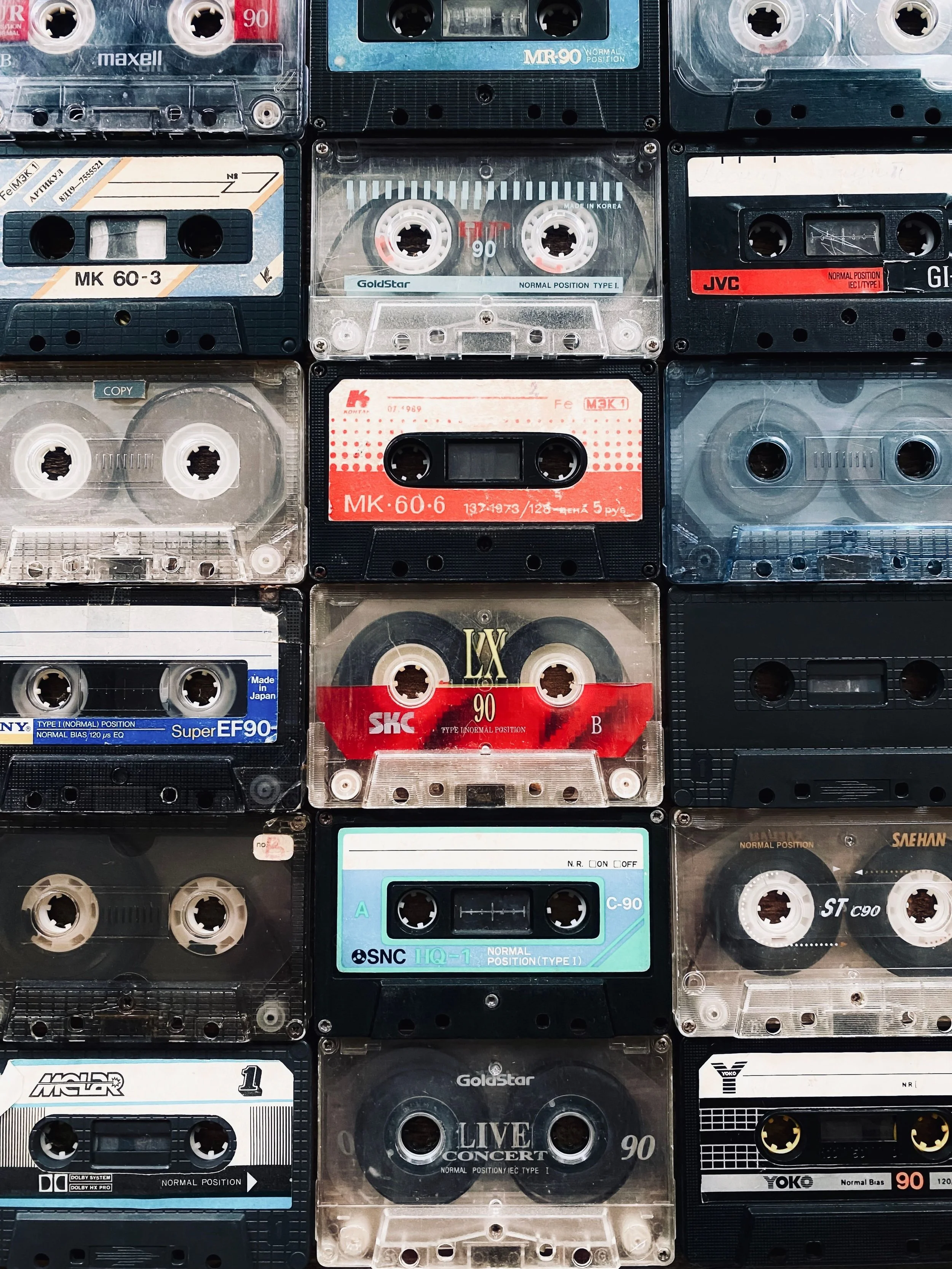
What happens to oral histories once they are made? How are we as a community preserving these incredible documentations of life, culture, and history? What is at risk of being lost with the deterioration and degradation of the physical carriers of oral histories?
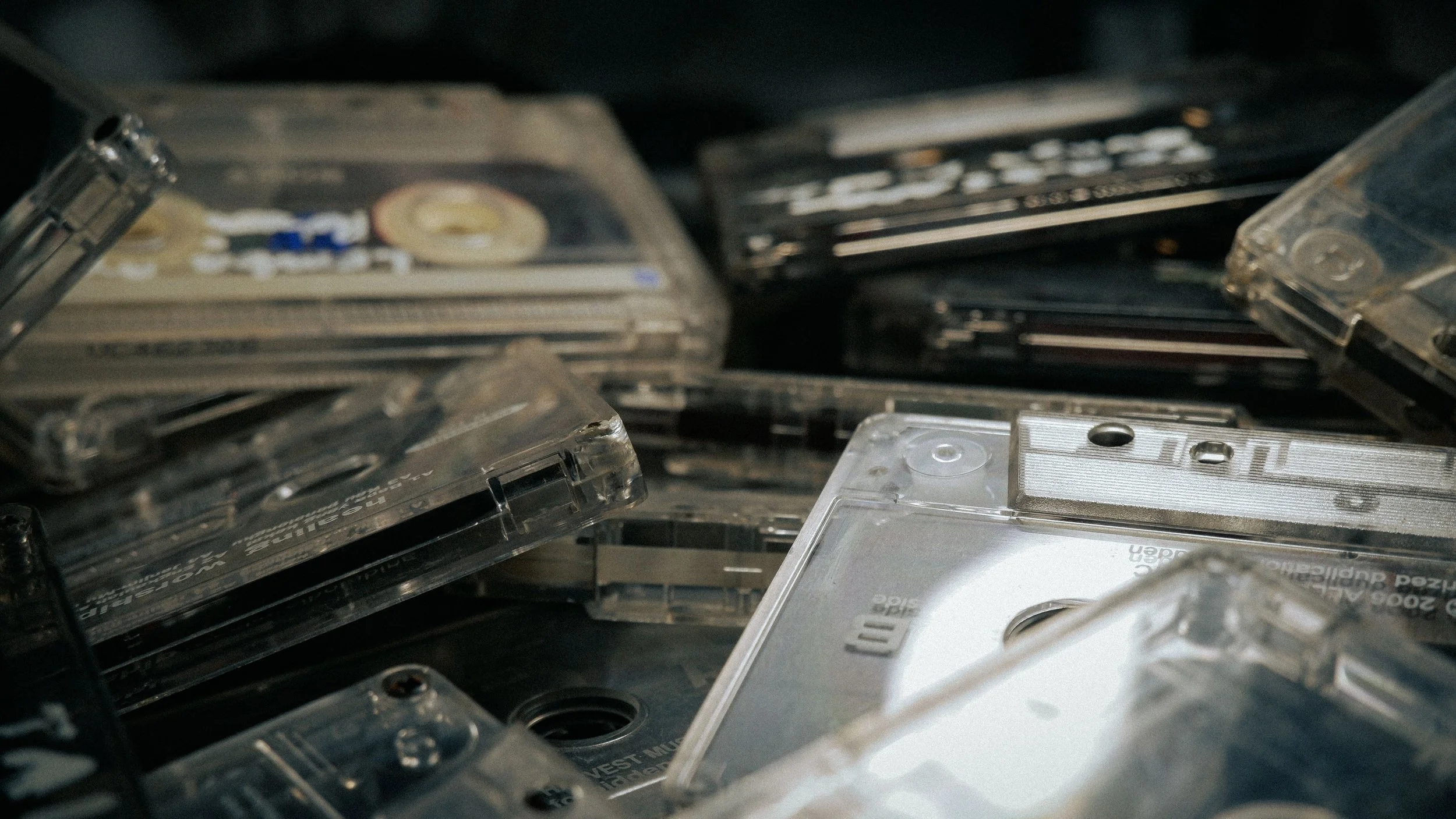
These are not easy questions to ask our community, and there are no quick answers that come to mind. The unique and individual nature of oral history interviews makes any one-size-fits-all approach impossible. Oral histories at large state and national institutions have different preservation concerns than collections held by individuals or small community organisations. Born-digital interviews need digital preservation, while cassette tapes require digitisation as a first preservation step.
All collections need robust copyright and access permissions, particularly in this digital and online age. The preservation of oral histories can be difficult and time-consuming, is what I’m saying.
As project manager of the Precarious Oral Histories Project, part of the Language Data Commons of Australia at the Australian National University, I’m helping examine at-risk collections across Australia. We have quite a broad understanding of at-risk, precarious oral histories: precarious oral history collections are collections of interviews that may not have long-term support, funding, or preservation systems in place. They are at risk of being lost, becoming inaccessible, or not being properly managed in the future. If you’re unsure whether your collection will still be safe and accessible in 10, 20, or 50 years, you probably have precarious oral histories.
You might know me as Treasurer and Membership officer of Oral History NSW, or seen me at one of the events we hold to help community members develop and design oral history projects – often with an emphasis on the preservation of oral histories long-term. I’m very excited to be leading the Precarious Oral Histories Project, combining my experience working with small community heritage organisations with my expertise in archives.
Launched in 2025, the POHP first examined precarious oral history collections in Victoria, gathering information on just shy of 200 collections and identifying over 9,000 interviews at risk in the state. This immense community engagement created an incredible evidence base, highlighting the breadth of interviews across the state and delving into the conditions of the collections.
Many precarious oral history collections are held by community groups, researchers, volunteers, and local organisations with limited resources and no clear pathway for long-term preservation.
As part of Victorian project, a collection database was developed, listing all the collections submitted. Now with a facelift and an interface redesign, we’re proud to present the Precarious Oral Histories Catalogue, an online catalogue specifically for at-risk oral history collections. You can access the catalogue here. Currently, the catalogue only contains information regarding Victorian collections, but not for long!
The Precarious Oral Histories Project is now focusing on identifying oral history collections in NSW and the ACT, with the goal to expand across the country in 2027.
Tell us about your precarious oral history collection using the survey link before October 31!
By completing this survey, you can help ensure your collection is recognised and included in the Precarious Oral Histories Project’s public catalogue. The survey does not require you to upload interviews or transfer your collection. Instead, it gathers information that will help improve discoverability, inform future preservation initiatives, and strengthen advocacy for support for at-risk oral history collections.
There are two ways to complete the collection survey.
The first is using our online survey tool. This is a quick and efficient way of completing the survey. Your responses are saved automatically. You can leave the survey at any time and return later using the same browser and device to continue where you left off.
The second is to download the Word File of the survey. Here, you can manually complete the form and email this document back to our team at the Precarious Oral Histories Project.
If you have an oral history collection that’s held in NSW or the ACT, we would love to hear from you! You can read more about our project on our website here.
Dr Alexandra Mountain
Project Manager - Precarious Oral Histories Project